
Seeds of Change: Growing community-owned food systems in Inglewood
Social Justice Learning Institute (SJLI) has long understood a simple truth: lasting change happens when communities are given the tools, resources, and ownership to care for themselves. The Seeds of Change program is a living example of that belief—rooted in the soil, sustained by neighbors, and designed to feed people in ways that are dignified, local, and powerful.
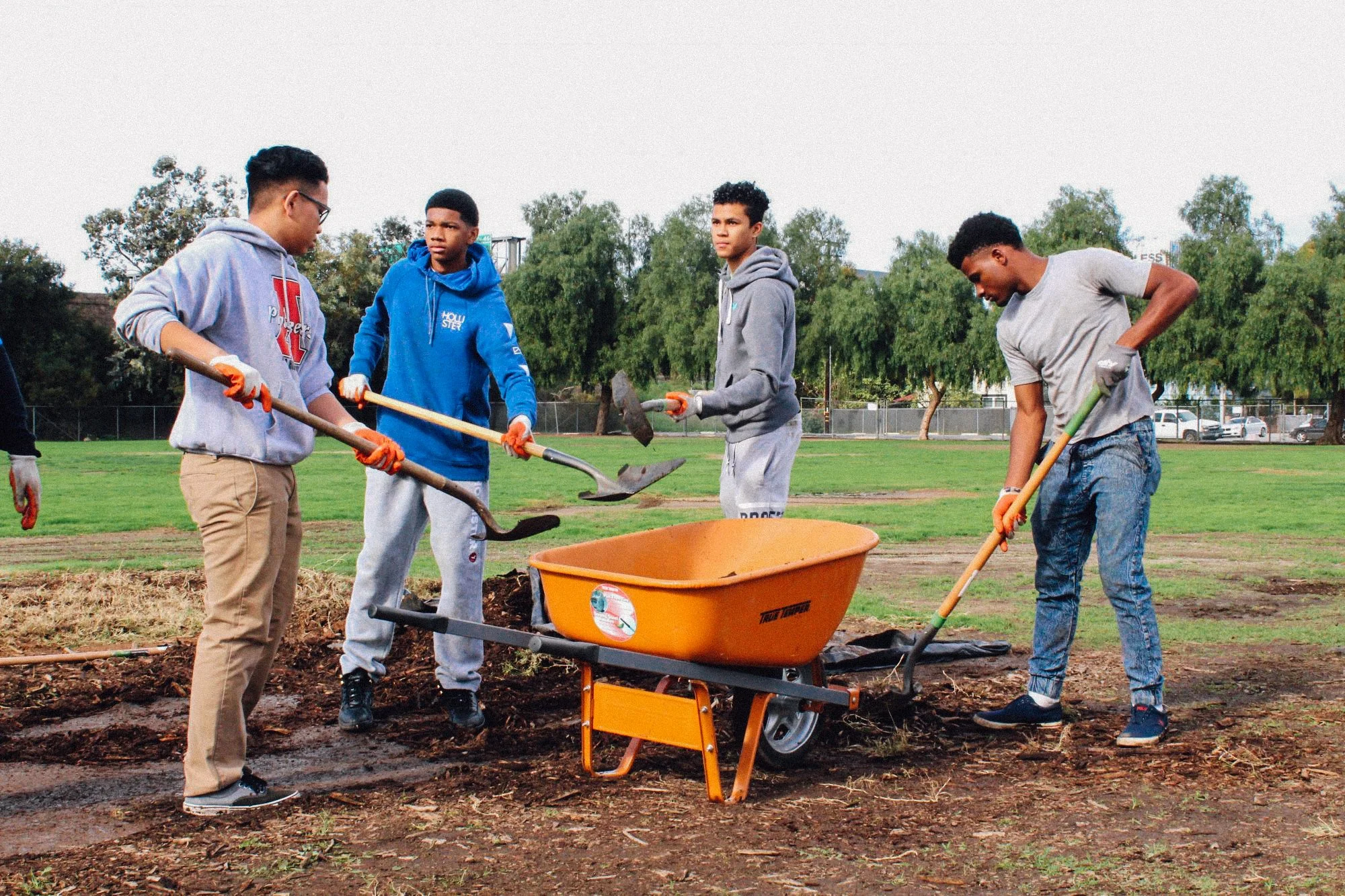
At the heart of Seeds of Change is education and access. The program teaches residents how to grow their own food while supporting them in maintaining a growing network of over 100 home, school, and community gardens across Inglewood and surrounding neighborhoods. These gardens live in backyards, schoolyards, parks, and formerly vacant lots—spaces that are often overlooked, but full of possibility.
This isn’t gardening as a hobby. It’s gardening for survival, health, and self-determination.
Through hands-on workshops and nutrition education, residents learn how to grow, harvest, and prepare healthy, whole foods. Students, families, and local volunteers work together to maintain the gardens, turning food production into a shared responsibility and a shared win. The result is not just fresh produce, but confidence, connection, and community pride.
A Local Food System, Built From the Ground Up
By activating home plots, schools, and community spaces, SJLI is creating the foundation for a decentralized, neighborhood-based food network that reduces dependence on distant supply chains and expensive grocery stores.
Community ownership is what makes this system resilient.
When residents help plant, tend, and harvest food, they are no longer just consumers at the end of a broken food chain, instead they become stewards and decision-makers within it. Ownership shifts power. It keeps food—and knowledge—circulating locally. And it ensures that what’s grown reflects the cultural traditions, tastes, and needs of the people it’s meant to nourish.
From Gardens to Distribution
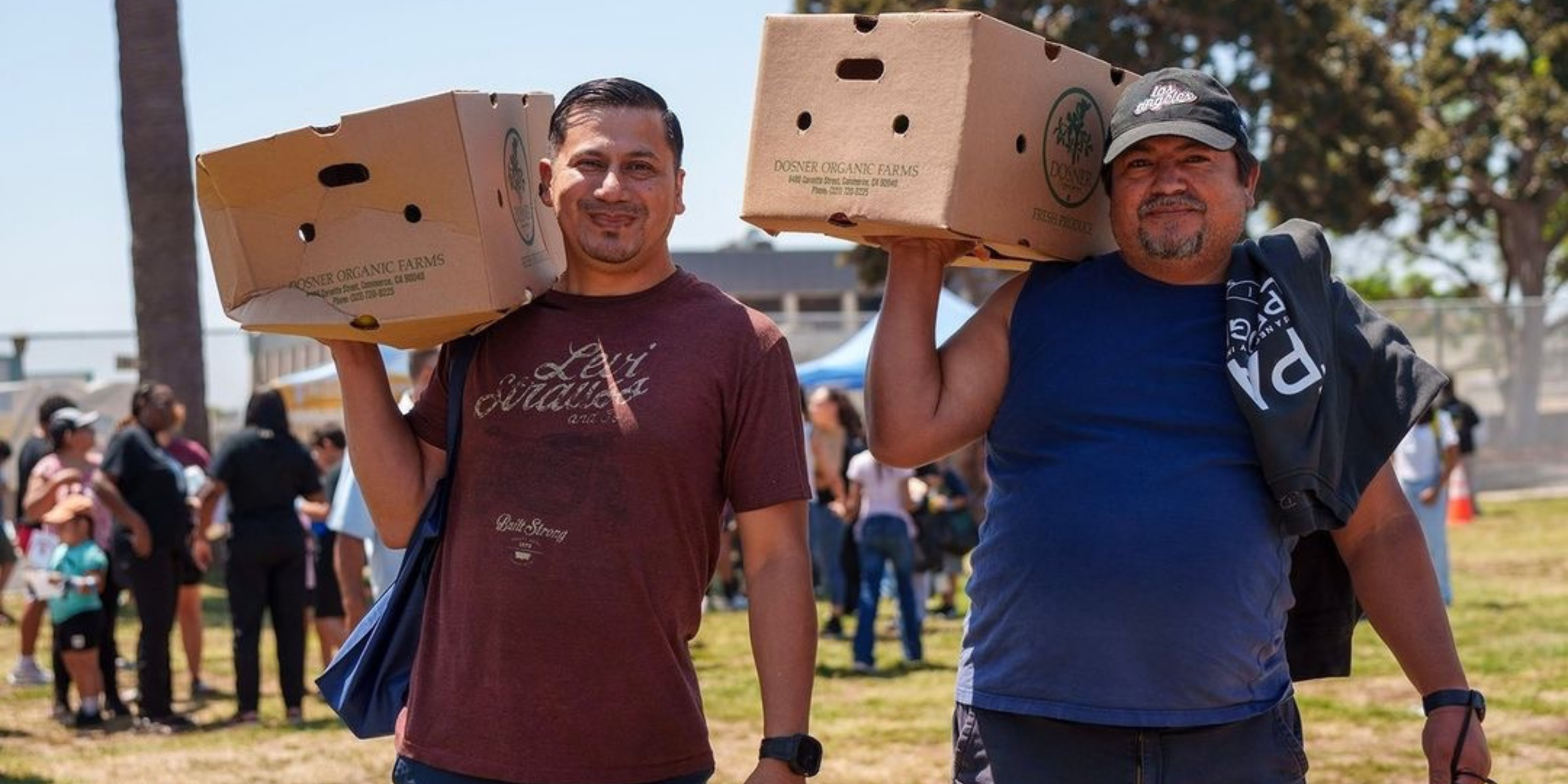
Seeds of Change also points toward what’s possible next: a community-owned local food distribution chain that connects these gardens to neighbors who need food most. When communities control production, they can also shape how food is shared—through mutual aid, local markets, school meals, and neighborhood distribution hubs.
This kind of system prioritizes people over profit. It feeds families before shareholders. And it creates pathways for local growers, youth, and residents to participate in a food economy rooted in care, not extraction.
In a world where food access is often shaped by zip code and income, Seeds of Change offers a different vision—one where communities grow what they eat, share what they harvest, and own the systems that sustain them.
By investing in people, land, and local knowledge, the Seeds of Change program reminds us that food justice is not just about what’s on the plate. It’s about who holds the power to decide how that food gets there—and building a future where that power lives in the community itself.