
Power from the ground up: Bringing Fannie Lou Hamer’s vision to LA
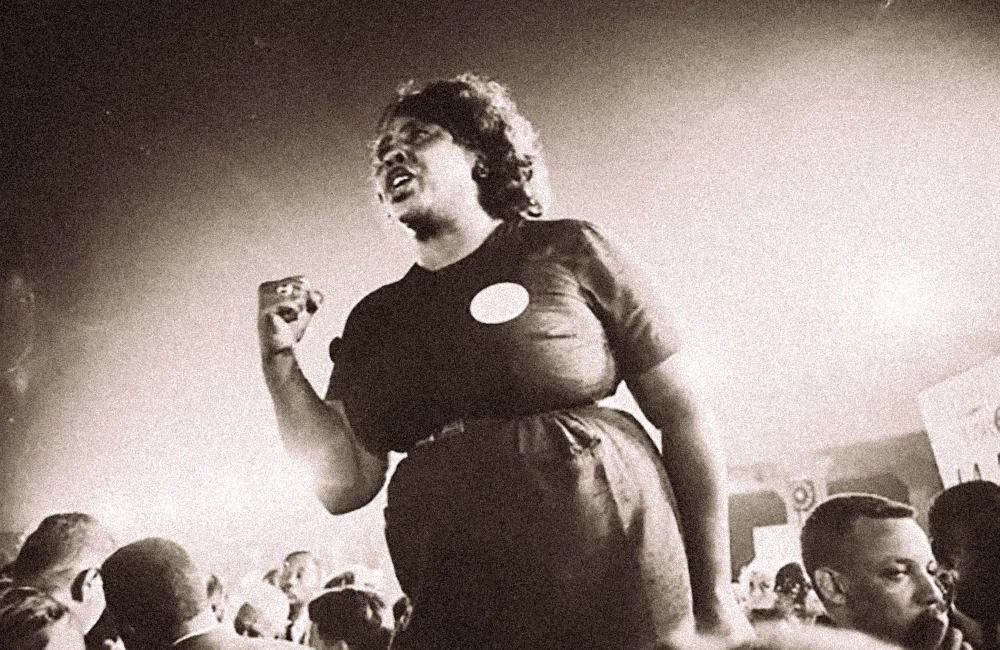
In 1969, community organizer and civil rights movement leader Fannie Lou Hamer founded the Freedom Farm Cooperative in Sunflower County, Mississippi. Over the course of nearly a decade, Black farmers would come together on the Mississippi Delta to grow staple crops, raise pigs, and harvest vegetables to feed hundreds of impoverished families.
At the root of this cooperative was the unwavering belief that Black and working class communities have the agency to be self-sufficient and determine their own livelihoods and future.
At a time when Jim Crow racial segregation exploited Black farmers for their labor, displaced them from their farms, and disenfranchised them of their rights, Hamer and the community took it upon themselves to steward the land. To organize for nutritious food, affordable housing, and economic justice in the face of white supremacy, anti-Black racism, and an attack on the working class was revolutionary then—and it still is today.
“All the qualifications that you have to have to become part of the co-op is you have to be poor,” she once said. “This is the first kind of program that has ever been sponsored in the country in letting local people do their thing themselves.”
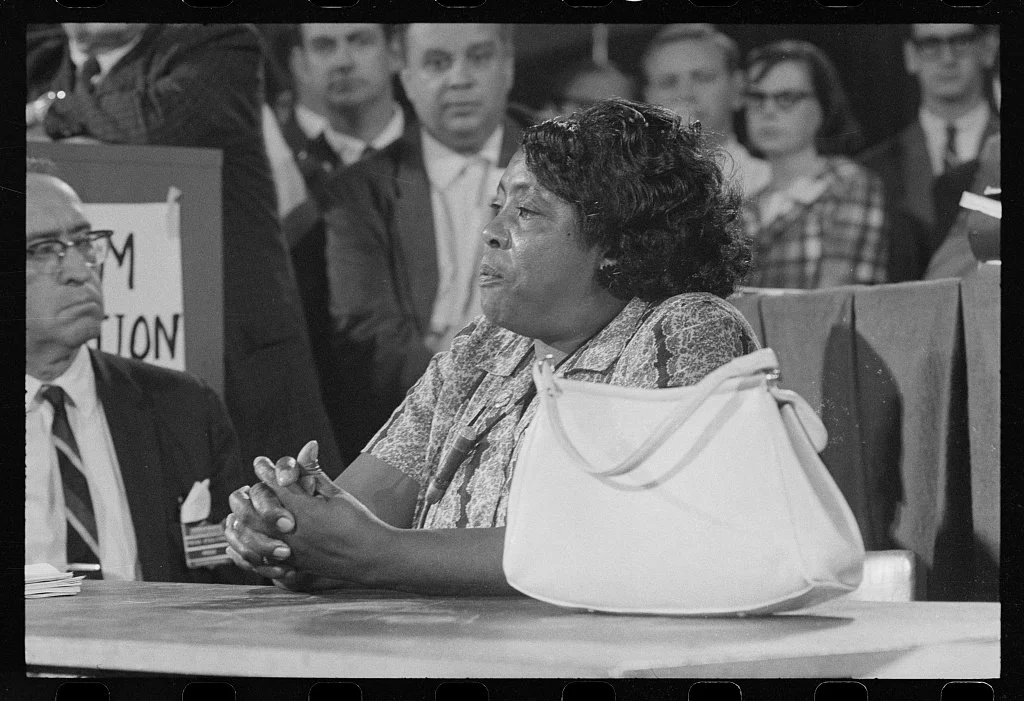
Hamer understood that freedom could not be won through policy alone. It had to be built—through land ownership, food access, and cooperative economics that met people’s material needs. Food sovereignty, in her view, was not just about survival; it was about power. It was a way for communities long denied opportunity to collectively improve their daily lives and challenge the systems that kept them poor, sick, and marginalized.
Her legacy reminds us that real change grows from the ground up. When communities organize to care for one another, steward land, and share resources, they create the conditions for justice that institutions have failed to deliver.
As Hamer herself put it:
“The time has come now when we are going to have to get what we need ourselves. We may get a little help, here and there, but in the main we’re going to have to do it ourselves.”
That vision still calls us forward.